


Structural Performance Analysis And Market Applicability Report Of Sam Bottle Factory Steel Structure Project
Structural Performance Analysis and Market Applicability Report of Sam Bottle Factory Steel Structure Project 1. Project Overview This report focuses on the steel structure factory project of Peru Sam Bottle factory, conducting in-depth analysis on structural stress performance, structural...
Product Introduction
Structural Performance Analysis and Market Applicability Report of Sam Bottle Factory Steel Structure Project
1. Project Overview
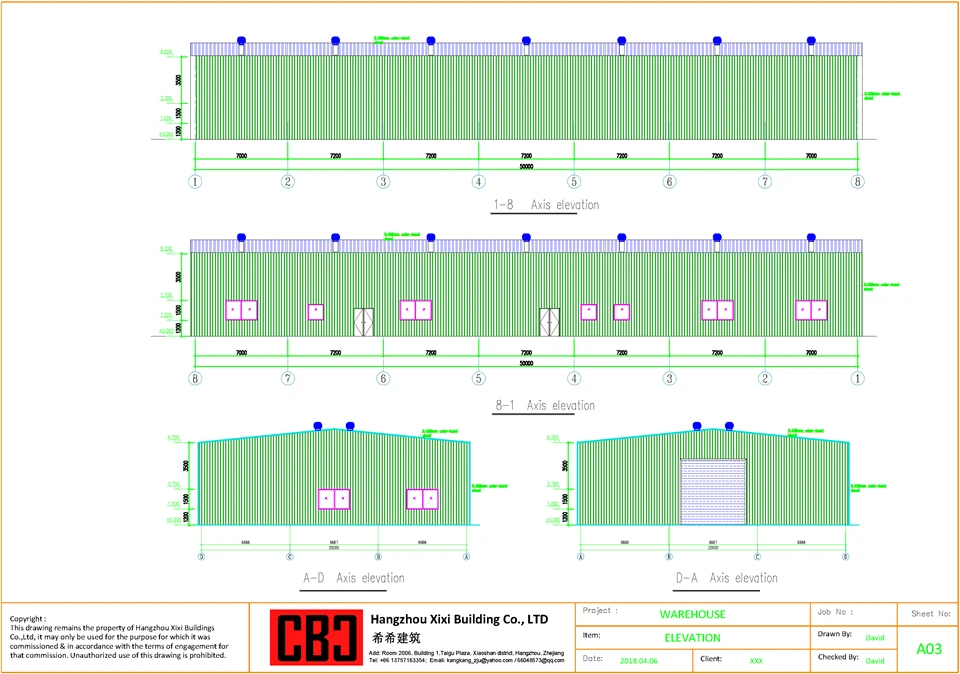
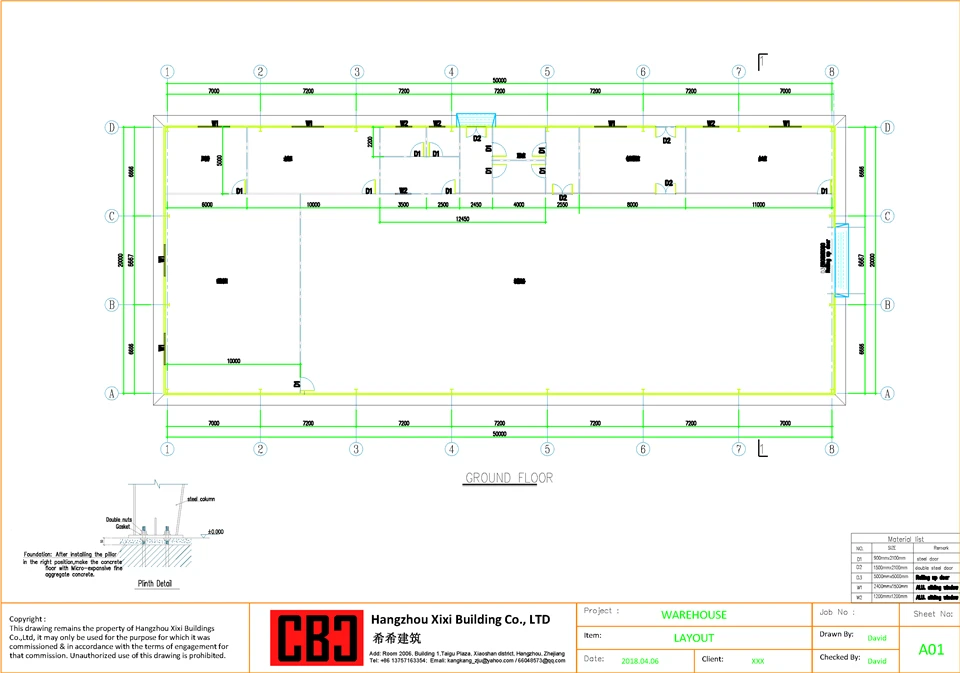
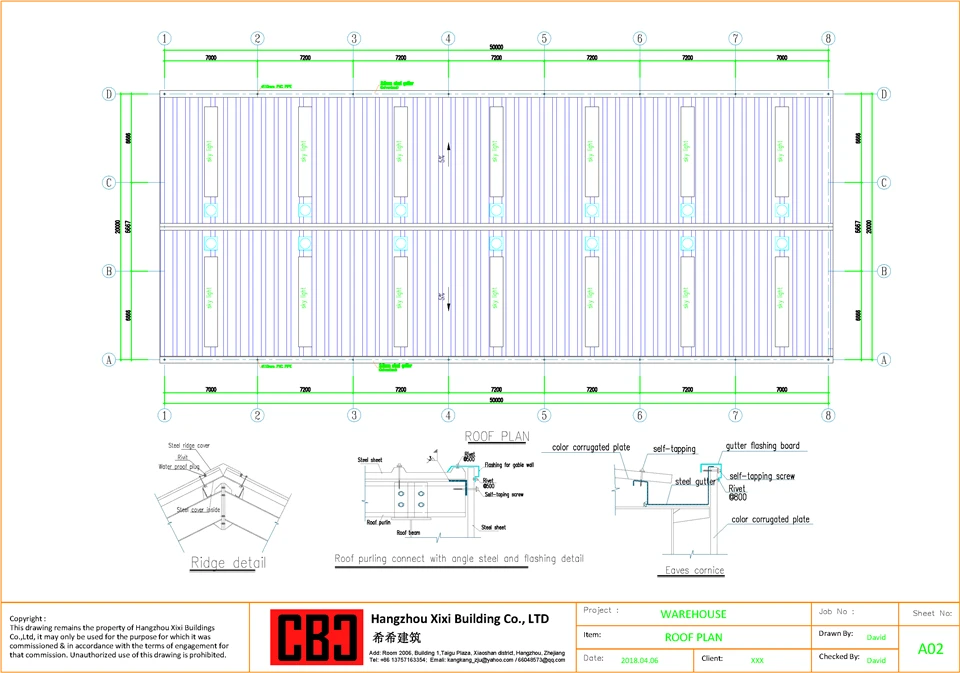
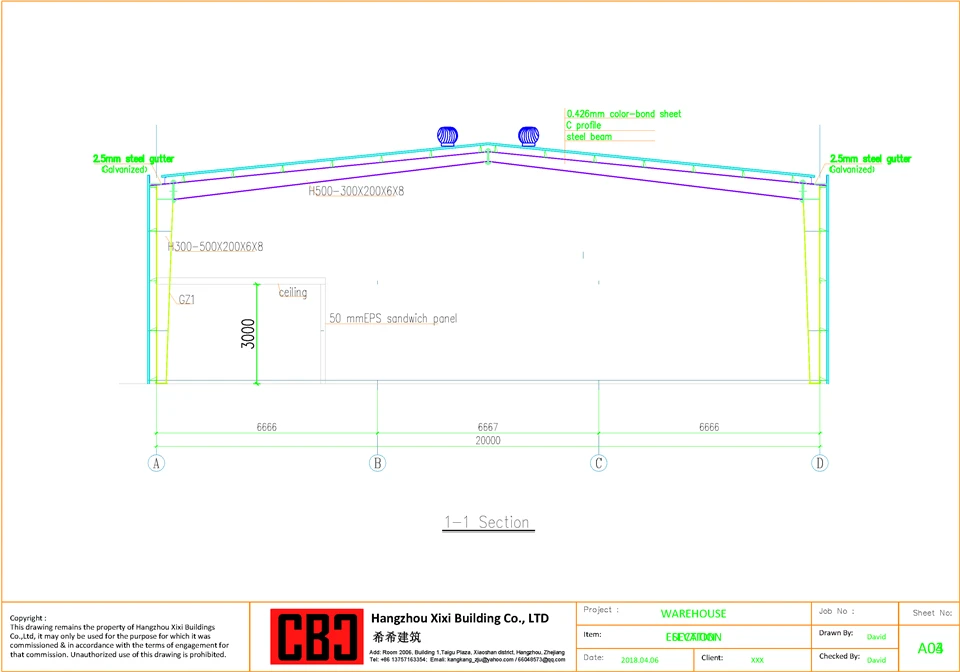
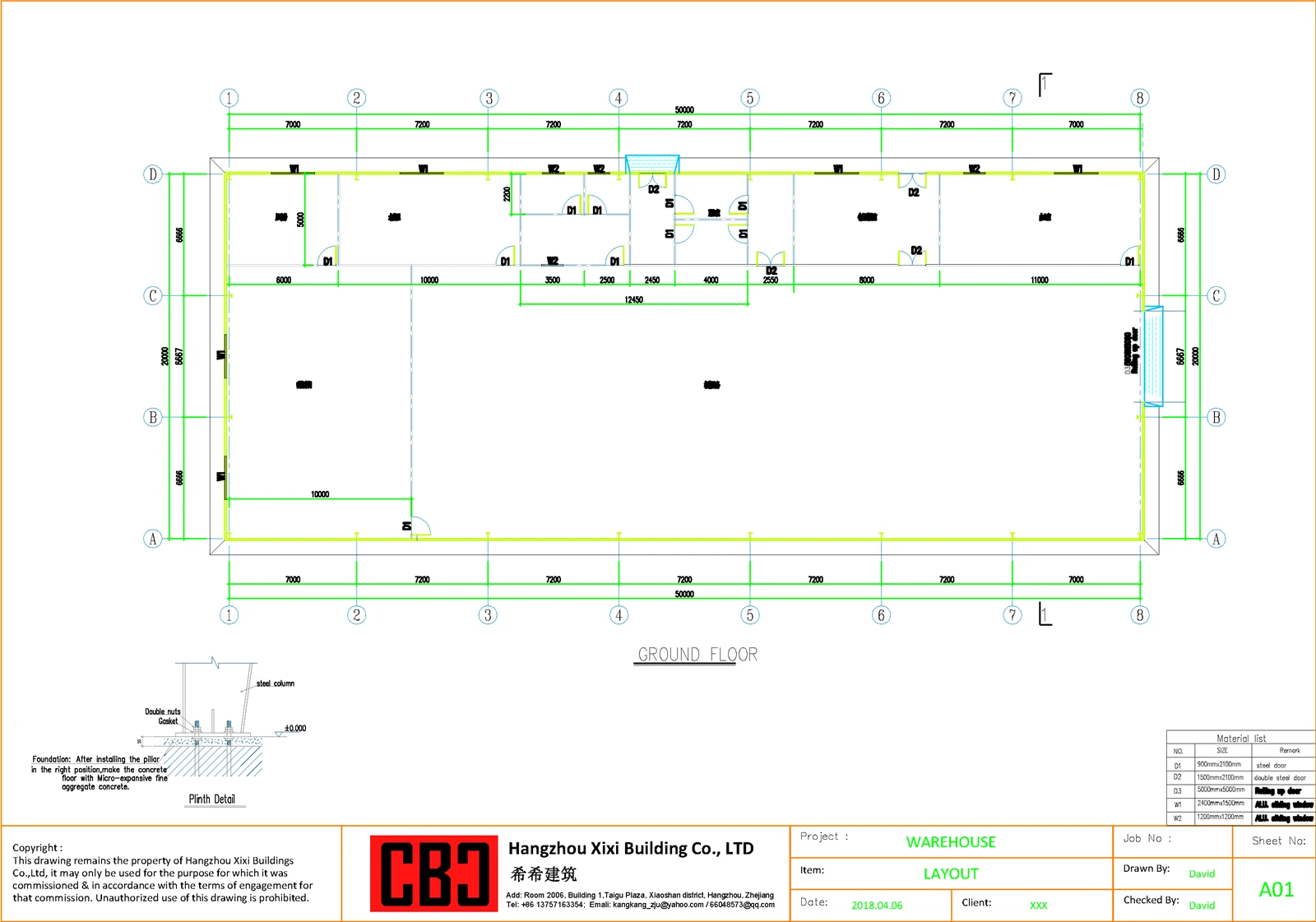
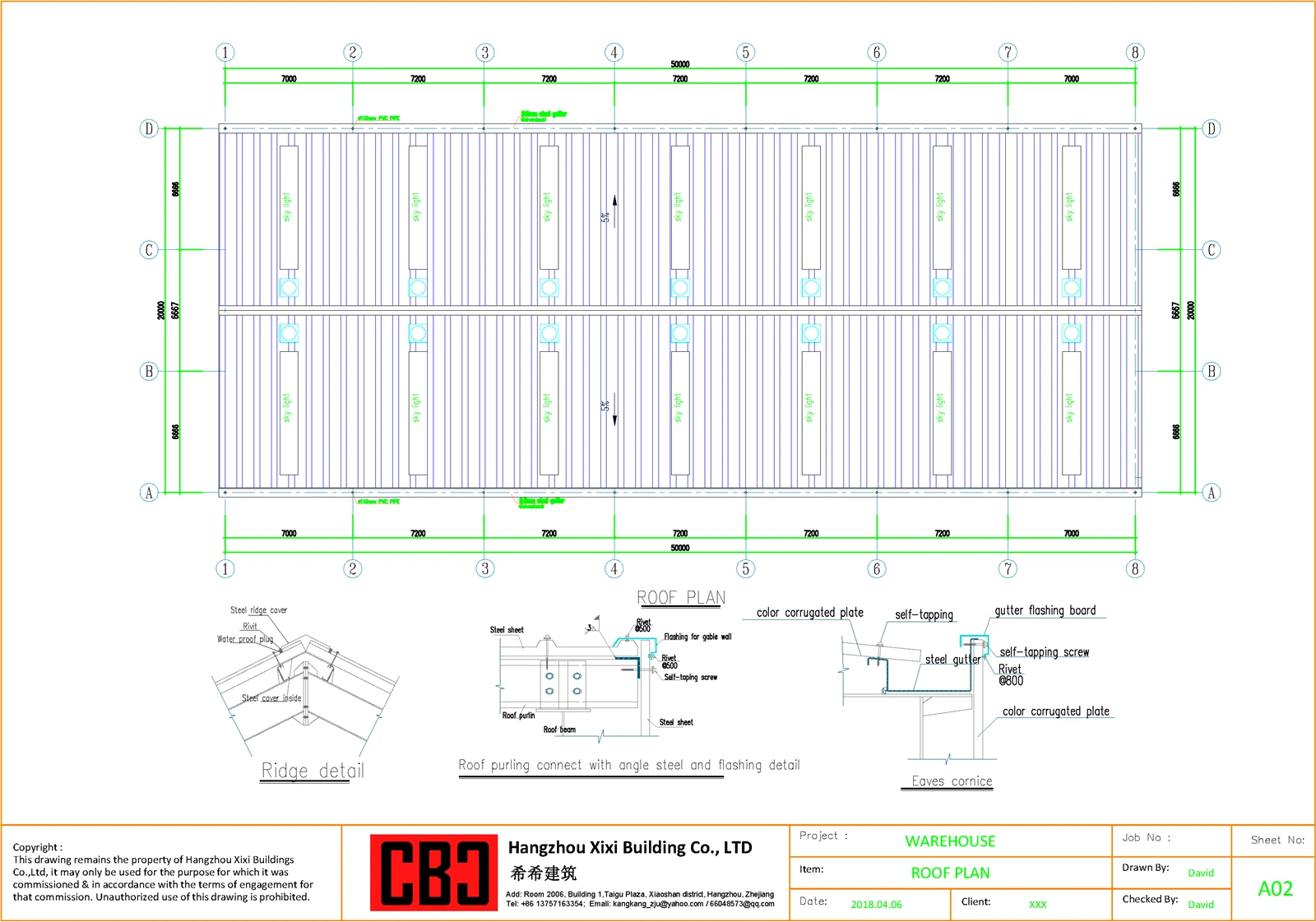
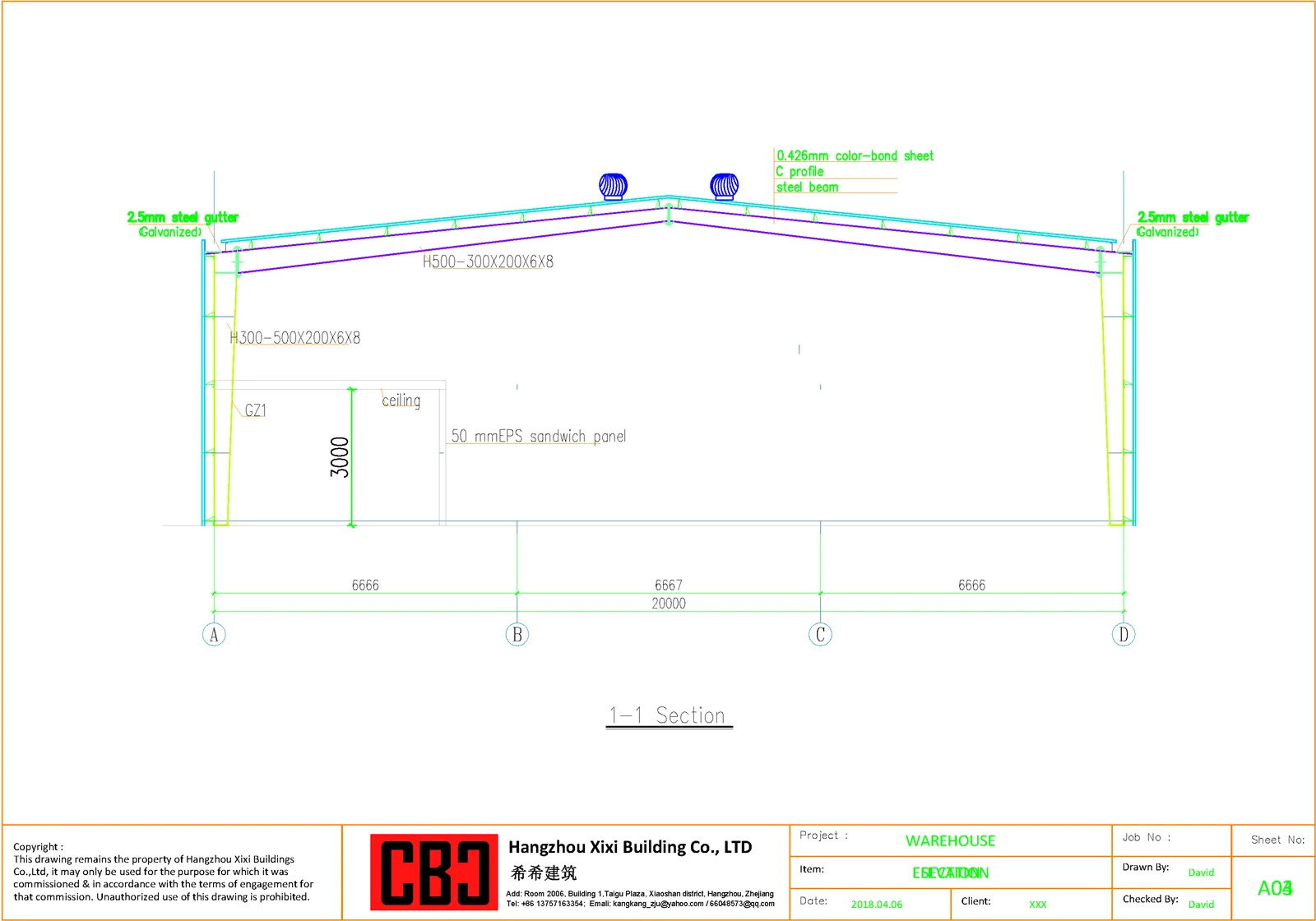
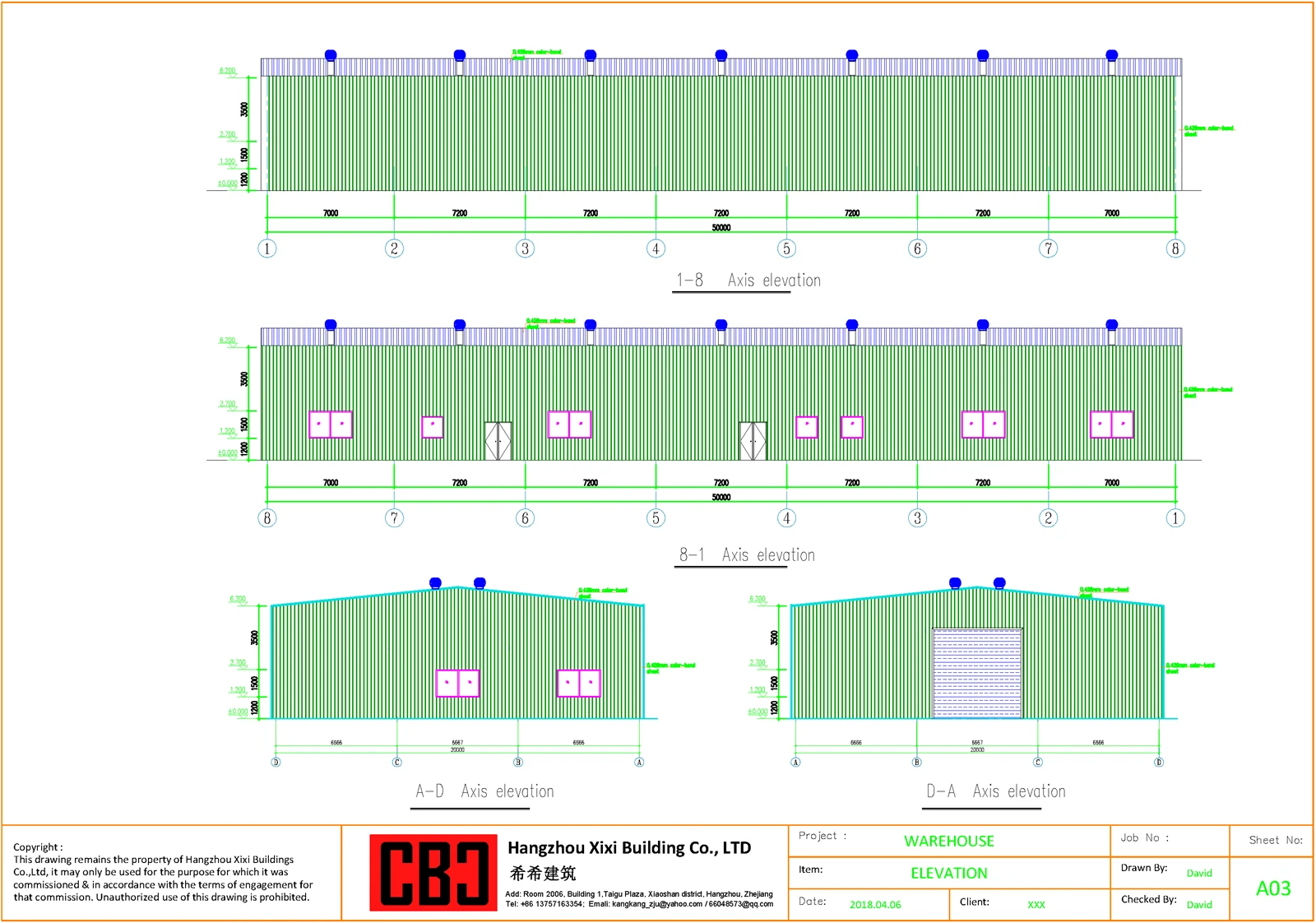
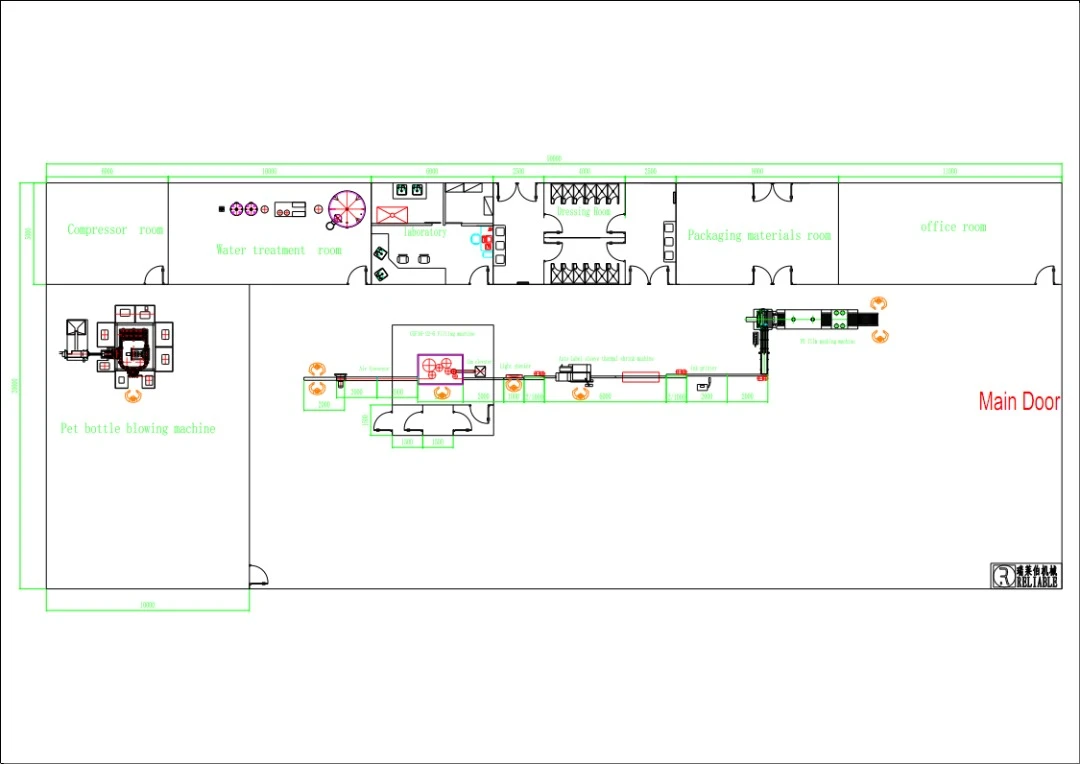
This report focuses on the steel structure factory project of Peru Sam Bottle factory, conducting in-depth analysis on structural stress performance, structural advantages, and market adaptability in South American and Oceania regional markets including Peru, Chile, Philippines, Indonesia, Papua New Guinea and Tonga, as well as competitive advantages over local traditional buildings. The basic parameters of the project are clearly defined as follows: the overall dimension of the factory building is 50m (length) × 20m (width) × 6.2m (height), with a total steel consumption of 30 tons. The main structural components adopt variable cross-section H-beams: main frame columns are H300~500×200×6×8mm, and main frame beams are H500~300×200×6×8mm. For enclosure systems, 0.45mm color steel single panels are applied to both roof and wall surfaces. The roof is equipped with 16 circular ventilators and 180㎡ daylighting panels to meet ventilation and natural lighting demands. The internal office area adopts 50mm thick EPS sandwich panels for wall partition. The total FOB Ningbo budget of the project is 75,000 US dollars, realizing high-cost performance and standardized industrial construction configuration.
2. Structural Stress Performance Analysis
2.1 Overall Stress System Characteristics
The project adopts a standardized portal frame steel structure system, which forms a stable integral force-bearing system through the cooperative work of variable cross-section H-shaped steel columns and beams. The variable cross-section design fully conforms to the mechanical stress law of industrial factory buildings: the beam and column ends with large bending moment adopt enlarged section specifications, while the middle sections with small stress adopt reduced sections, which realizes the optimal distribution of structural stress and avoids material waste on the premise of ensuring structural safety. The entire frame structure has high integral rigidity and spatial stability, which can effectively bear and transfer vertical loads (self-weight of enclosure structure, equipment load, snow load) and horizontal loads (wind load, minor seismic load).
2.2 Component Stress Performance
The main frame columns of H300~500×200×6×8mm and main frame beams of H500~300×200×6×8mm have excellent mechanical properties. The 6mm web and 8mm flange thickness ensure sufficient shear resistance and bending resistance of the components. The high-strength steel material features uniform texture, stable mechanical performance, good ductility and toughness, which can effectively disperse and absorb external impact force. Under extreme working conditions such as strong wind and slight earthquake, the structure will not undergo brittle failure, and can maintain integral stability. With a reasonable steel consumption of 30 tons for a 1000㎡ factory building, the structure achieves a lightweight and high-strength mechanical balance, with low self-weight and small foundation load, which greatly reduces the foundation construction pressure and hidden safety hazards of long-term operation.
2.3 Auxiliary Structure Stress and Functional Adaptability
The 0.45mm color steel single-panel enclosure structure has light self-weight, which will not cause additional load pressure on the main steel frame. The matching roof ventilators and daylighting panels are reasonably arranged without destroying the integral stress continuity of the roof structure. The 50mm EPS sandwich panel for internal office partition is a lightweight enclosure material, which does not affect the overall force-bearing system of the factory building, while realizing functional zoning and heat insulation requirements. The overall structure has good deformation resistance, uniform stress distribution, no local stress concentration, and meets the industrial building load standards and seismic fortification requirements of regional markets.
3. Core Structural Advantages of the Project's CBC Steel Structure
3.1 High Structural Safety and Stability
CBC standardized steel structure adopts optimized variable cross-section portal frame design, with accurate component stress calculation and strict factory prefabrication precision. Compared with traditional concrete and brick-concrete structures, steel materials have higher strength, better toughness and ductility. The structure can effectively resist wind load, seismic load and temperature deformation, and adapt to complex climatic and geological conditions. The integral frame has strong spatial rigidity, no easy deformation or cracking, and long service life, which can meet the long-term stable operation needs of industrial production.
3.2 Excellent Economic Performance
The project realizes ultra-high cost performance with a total FOB budget of 75,000 US dollars for a 1000㎡ factory building. The lightweight steel structure reduces foundation engineering costs, and the optimized variable cross-section material design minimizes steel consumption waste. All steel components are prefabricated in factories and assembled on site, which greatly shortens the construction cycle, reduces on-site labor costs and construction management costs. In addition, the steel structure has low later maintenance cost, recyclable materials, and no redundant engineering investment, with comprehensive economic benefits far exceeding traditional building structures.
3.3 Flexible Functional Design and Good Usability
The 20m large-span open space design of the factory building eliminates intermediate supporting columns, providing a fully flexible indoor space for production line layout, equipment placement and material transportation. The roof is equipped with professional ventilation and daylighting systems, which optimizes the indoor working environment, improves natural lighting and ventilation efficiency, and reduces daily operation energy consumption. The separate EPS sandwich panel office area realizes the integration of production and office, with reasonable functional zoning. Meanwhile, the steel structure is convenient for later expansion, reconstruction and functional adjustment, adapting to the iterative development of enterprise production.
3.4 Fast Construction and Strong Environmental Adaptability
CBC steel structure adopts standardized prefabricated production mode, with all components processed and inspected in the factory in advance. The on-site construction is only assembly operation, which is not affected by seasonal and weather conditions greatly. The construction efficiency is 30%-50% higher than that of traditional buildings, which can quickly complete project delivery and put the factory into operation. The color steel enclosure and EPS sandwich panel materials have good weather resistance, heat insulation and corrosion resistance, adapting to high temperature, rainy and humid tropical and subtropical climatic environments, with strong environmental durability.
4. Market Applicability Analysis in Target Regions
4.1 Peru Market
Peru is located in South America, with diverse terrain, frequent minor earthquakes, and tropical subtropical climate with obvious rainy seasons. Local traditional industrial buildings mainly adopt brick-concrete and ordinary concrete structures, which have poor seismic performance, slow construction speed, easy wall cracking and water leakage, and high long-term maintenance costs. The CBC steel structure project is highly adapted to the Peruvian market: its excellent seismic ductility can cope with local seismic geological conditions; the lightweight structure adapts to complex mountainous and coastal terrain, reducing foundation construction difficulty; the color steel waterproof enclosure structure solves the problem of rainy season water seepage of traditional buildings. In addition, the project's ultra-high cost performance and fast delivery cycle perfectly match the demand for rapid industrial construction and low-cost investment of small and medium-sized factories in Peru, with strong market promotion value.
4.2 Chile Market
Chile is located on the Pacific seismic belt, with frequent seismic activities, coastal strong wind weather and dry and wet alternate climate. Local traditional buildings are mostly heavy concrete structures, which have poor seismic resistance, are prone to collapse in earthquakes, and have poor wind resistance. The CBC steel structure has prominent adaptive advantages: the high-toughness steel frame can absorb seismic energy effectively and resist strong wind load; the lightweight structural design reduces seismic damage risk fundamentally. The standardized prefabricated construction mode can solve the problem of slow construction progress of local traditional buildings. Meanwhile, the corrosion-resistant color steel panel enclosure adapts to coastal humid and saline-alkali environment, avoiding rust and aging problems. The economical FOB pricing is suitable for the vigorous development of light industrial factories in Chile, and is more competitive than local traditional building modes in terms of safety, cost and efficiency.
4.3 Philippines & Indonesia Markets
The Philippines and Indonesia are typical tropical island countries, with high temperature and humidity all year round, heavy rainfall, frequent typhoons, and humid and corrosive atmospheric environment. Local traditional industrial buildings are mainly wooden structures and brick-concrete structures. Wooden buildings are easy to mildew, rot and be corroded by insects, with poor fire resistance and low safety; brick-concrete buildings have slow construction, poor ventilation and heat dissipation, and stuffy indoor environment. The CBC steel structure perfectly fits the local climatic characteristics: the integral steel frame has strong wind resistance, which can resist typhoon impact; the color steel enclosure has waterproof, anti-corrosion and mildew-proof properties, adapting to high humidity environment; the roof ventilation and daylighting system optimizes indoor heat dissipation and air circulation, improving production environment. In addition, the fast assembly construction mode adapts to the local rainy season construction conditions, and the low-cost investment is very suitable for the rapid development of local light industrial and processing factory projects.
4.4 Papua New Guinea & Tonga Markets
Papua New Guinea and Tonga belong to Oceania island countries, with tropical marine climate, perennial strong wind, heavy rainfall, humid and corrosive environment, and relatively backward local construction technology and insufficient traditional building industrialization level. Local traditional factory buildings are mostly simple wooden and temporary brick buildings, with low structural stability, poor wind and earthquake resistance, short service life and no standardized construction standards. The CBC standardized steel structure fills the gap of local high-quality industrial buildings: the high-strength steel frame has super wind resistance and structural stability, adapting to perennial strong wind weather; the standardized prefabricated mode solves the problem of backward local construction technology and uneven construction quality; the integrated ventilation, daylighting and heat insulation design makes up for the functional defects of traditional simple buildings. Meanwhile, the lightweight structure reduces the transportation and construction difficulty of island projects, and the economical FOB pricing is suitable for the local industrial infrastructure construction needs, with extremely high market applicability.
5. Comparative Advantages Over Local Traditional Buildings
5.1 Structural Safety Advantage
Compared with local traditional brick-concrete, concrete and wooden buildings in target regions, CBC steel structure has higher strength, better seismic resistance, wind resistance and deformation resistance. Traditional buildings have poor ductility, easy brittle failure under earthquake and strong wind conditions, and hidden safety hazards; while steel structure can absorb external force through self-deformation, maintain integral structural stability, and effectively avoid building collapse and damage, with far higher safety redundancy than traditional buildings.
5.2 Construction Efficiency Advantage
Local traditional buildings adopt on-site casting and masonry construction, which is affected by weather, season and construction technology, with long construction cycle, slow progress and uncontrollable quality. CBC steel structure realizes factory integral prefabrication and on-site rapid assembly, the construction cycle is shortened by more than 40% compared with traditional buildings, which can quickly complete project delivery, help enterprises put into production in advance and create benefits, and solve the pain points of slow construction and long investment recovery cycle of local traditional industrial buildings.
5.3 Economic Cost Advantage
Traditional brick-concrete and concrete buildings have large self-weight, high foundation engineering cost, more on-site material waste and high labor cost; wooden buildings have short service life and frequent replacement and maintenance costs. The CBC steel structure adopts optimized material design and lightweight structure, which reduces foundation cost and material waste. The standardized assembly construction reduces on-site labor cost. The total investment of the project is low, with low later maintenance cost and long service life, and the whole life cycle economic benefit is far better than local traditional buildings.
5.4 Functional and Environmental Adaptability Advantage
Most local traditional industrial buildings have single function, poor ventilation and daylighting effect, poor heat insulation and waterproof performance, and are easy to be corroded and mildewed in tropical and subtropical humid environments. The CBC steel structure factory is equipped with professional roof ventilation system, large-area daylighting panels and heat-insulating EPS partition panels, with excellent indoor environment regulation ability. The anti-corrosion and waterproof color steel enclosure adapts to high temperature, rainy, humid and strong wind environments in target regions, with stable performance and strong environmental adaptability, which can meet the long-term production and operation needs of industrial enterprises.
5.5 Industrialization and Iteration Advantage
Local traditional buildings are mostly non-standard customized construction, with poor universality and difficult later reconstruction and expansion. CBC steel structure adopts standardized modular design, with strong product universality, convenient disassembly, assembly and expansion, and can adapt to the production scale adjustment and functional upgrading of enterprises. The steel materials can be recycled and reused, which is more environmentally friendly and in line with the green industrial development trend of various regions, with higher long-term industrial value.
6. Conclusion
The Sam Bottle factory steel structure project adopts scientific variable cross-section portal frame structural design, with reasonable stress distribution, stable structural performance and excellent safety and durability. Relying on CBC's standardized steel structure product system, it has prominent advantages in safety, economy, construction efficiency, functional design and environmental adaptability. Aiming at the climatic, geological and industrial construction characteristics of Peru, Chile, Philippines, Indonesia, Papua New Guinea, Tonga and other regions, the product can effectively make up for the defects of local traditional buildings such as poor safety, low construction efficiency, high comprehensive cost and single function. It has ultra-high market applicability and promotion value in South American and Oceania regional industrial infrastructure construction, and is a high-cost performance and high-quality preferred solution for local light industrial factory construction.
You Might Also Like
-

Steel Structure Warehouse Design Report Of Tanza Factory Project in South Manila
-

Structural Design Of A 18m × 55m × 6m Steel Warehouse For Papua New Guinea With 5-Ton Overhead Crane
-

High Wind Resistance Steel Structure Warehouse
-

Anti Rusty Steel Structure Warehouse
-

Heavy Weight Steel Structure Workshop
-

Two Floors Steel Structure Workshop
Send Inquiry
