

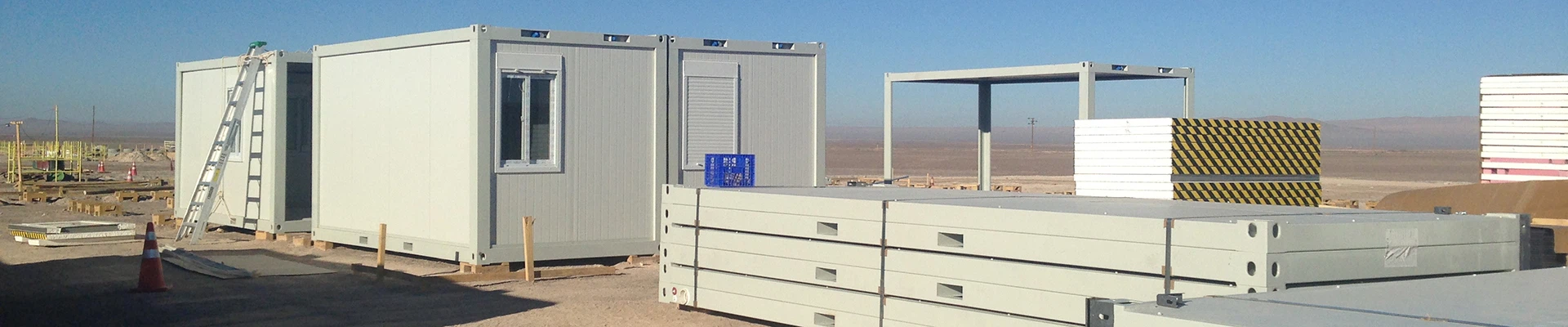


Modern Prefabricated House
FrameCAD system to meet with different standards
Full package including structure, cladding, insulation, doors, windows, plumbing, electrical, floor…
Well fabricated in factory, easy to install
Can be affordable or luxury, provide also in modular pods
Product Introduction
Introduction
Modern prefabricated houses have gained popularity in recent years because of their low costs, efficient construction, and environmental friendliness. These houses are constructed off-site and then brought to the site where they are to be erected. The market for modern prefabricated houses has been growing steadily over the years, and it is expected to continue growing in the future. This article will explore the development trend of modern prefabricated houses in the global market, with a focus on the positive aspects of the trend.
Market Overview
The global market for prefabricated houses is expected to grow at a CAGR of 8.3% from 2021 to 2027. This growth is attributed to the increasing demand for affordable housing, rising urbanization, and a growing awareness of the benefits of prefabricated houses such as efficient construction and reduced waste. The market is segmented based on material, application, and region. The major market players include Algeco Scotsman, Bouygues Construction, Champion Home Builders, Inc., Fleetwood Australia, GE Healthcare, and Kirby Building Systems LLC, among others.
Benefits of Modern Prefabricated Houses
Modern prefabricated houses have several benefits that make them attractive to buyers. These benefits include:
1. Reduced Construction Time: Prefabricated houses are constructed off-site, which reduces the construction time significantly. It takes about six months to build a traditional house, but a prefabricated house can be built in less than three months.
2. Cost-Effective: Prefabricated houses are cheaper than traditional houses because they are constructed in a controlled environment, which reduces the cost of labor and materials.
3. High-Quality Control: Prefabricated houses are built under controlled conditions, which ensures high-quality construction. The materials used are of high quality and are inspected before they are used.
4. Environmentally Friendly: Prefabricated houses are environmentally friendly because they use fewer materials and produce less waste than traditional houses. They are also energy-efficient, which reduces the utility bills.
5. Customizable: Prefabricated houses can be customized to meet the specific needs of the buyers. This flexibility allows buyers to choose the layout, size, and design of their houses.
6. Mobility: Prefabricated houses are mobile, and they can be relocated easily. This feature makes them suitable for people who move frequently.
Development Trend of Modern Prefabricated Houses
The development trend of modern prefabricated houses can be analyzed based on the following factors:
1. Technological Advancements: Technological advancements have made it possible to design and manufacture prefabricated houses with innovative features. For example, 3D printing technology is being used to create prefabricated houses with unique designs and shapes.
2. Sustainable Building Materials: Sustainable building materials such as bamboo, recycled plastic, and wood are being used to construct prefabricated houses. These materials are environmentally friendly and durable.
3. Smart Home Features: Smart home features such as home automation and energy management systems are being incorporated into prefabricated houses. These features make the houses more energy-efficient and convenient to live in.
4. Modular Design: Modular design is being used to create prefabricated houses that can be easily modified or expanded. This feature makes it easy for homeowners to customize their houses as their needs change.
5. Increased Customization: The trend towards increased customization of prefabricated houses is expected to continue. Manufacturers are offering a range of customization options to cater to the diverse needs of the buyers.
Conclusion
Modern prefabricated houses are a growing trend in the global market because of their low costs, efficient construction, and environmental friendliness. The market for prefabricated houses is expected to continue growing in the future due to the increasing demand for affordable housing and the growing awareness of the benefits of prefabricated houses. Technological advancements, sustainable building materials, smart home features, modular design, and increased customization are some of the key factors driving the development trend of modern prefabricated houses.


Related Projects
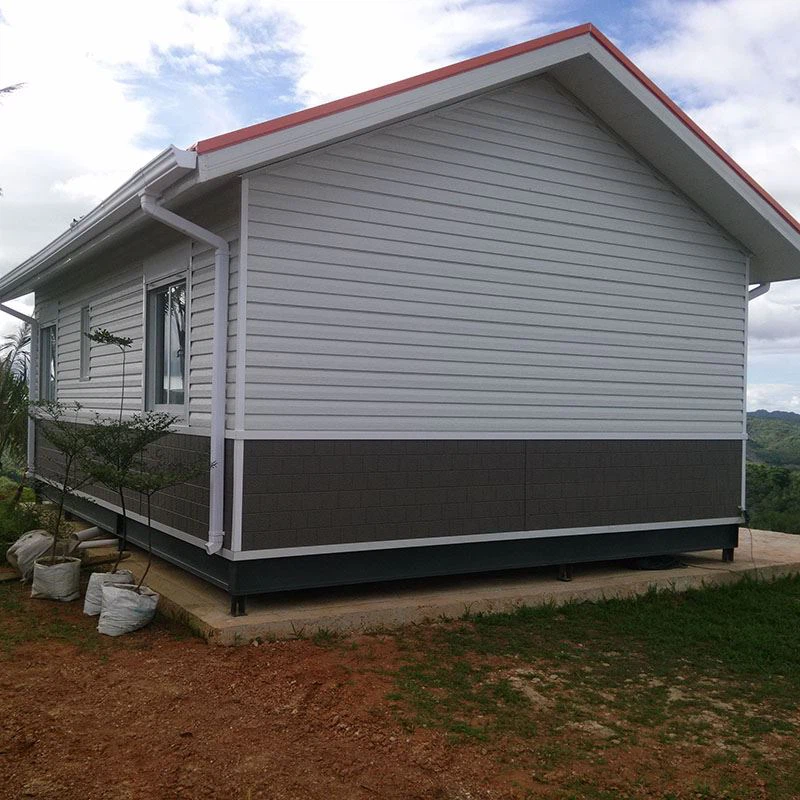
|
Project Name |
Perth Project |
|
Finished Time |
Year 2015 |
|
Project Place |
Perth AU |
|
Building Area |
268 Sq.m |
|
Project Description |
Design and fabrication, one stop solution including all AU standard facilities. |
|
Project Name |
Chile Project |
|
Finished Time |
Year 2017 ongoing |
|
Project Place |
South Chile |
|
Building Area |
1138 Sq.m |
|
Project Description |
Ten units of Modern Prefabricated House, five connected in one row, very good design and excellent insulation for local cold weather. |
|
Project Name |
Moti Resorts Project |
|
Finished Time |
Year 2013 July |
|
Project Place |
Nacala Mozambique |
|
Building Area |
3793 S.qm with 48 resorts |
|
Project Description |
Two-bedroom resorts in Nacala near the sea beach, one stop solution including installation. |
|
Project Name |
Perth Project |
|
Finished Time |
Year 2016 |
|
Project Place |
Perth AU |
|
Building Area |
308 S.qm |
|
Project Description |
Design and fabrication, one stop solution including all AU standard facilities. |
You Might Also Like


Send Inquiry
