

Global Steel Structure Masterpieces: Engineering Excellence Across Continents
Asia: Architectural Icons Defying Gravity
In Asia, steel structures have become synonymous with groundbreaking design and technological innovation. The Lotte World Tower in Seoul, South Korea, stands as a testament to steel's structural prowess. At 555 meters tall, it is the fifth-tallest building in the world, featuring a steel-reinforced concrete core and a diagrid exterior that reduces wind resistance by 20%. The tower's Y-shaped cross-section, made possible by high-strength steel beams, allows it to withstand seismic activity up to magnitude 9.0 while maximizing natural light intake for its 123 floors of office, residential, and retail space.
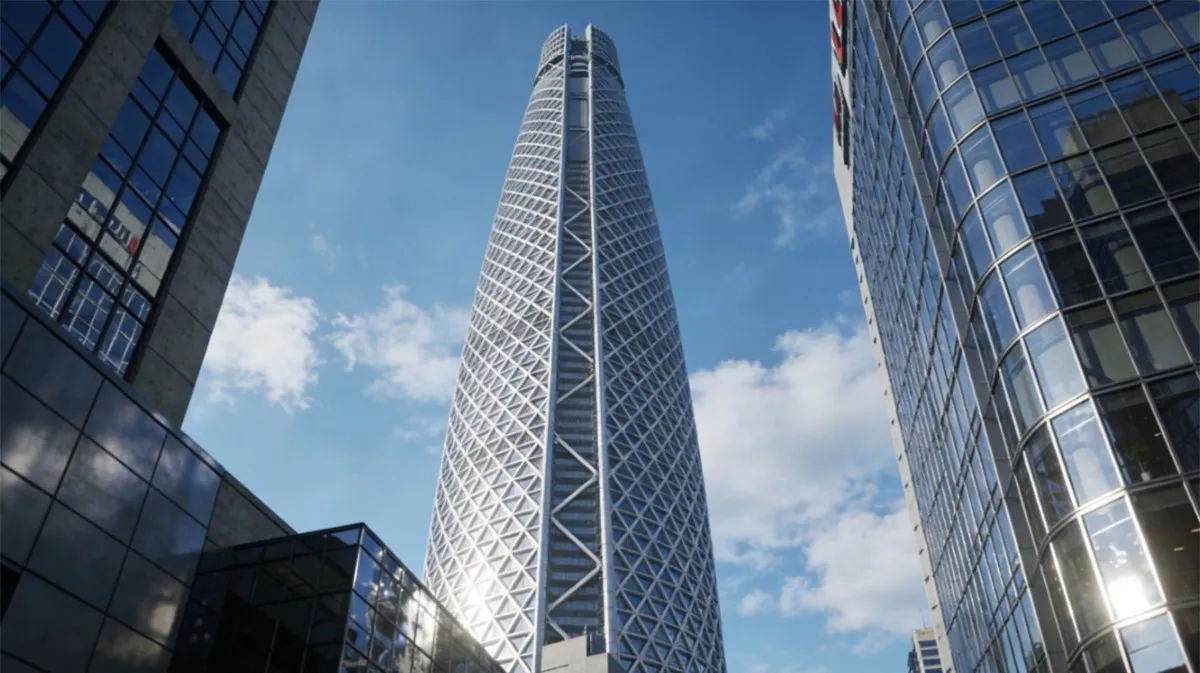
Another Asian landmark is the Shanghai Tower, a 632-meter skyscraper that twists 120 degrees as it rises, reducing wind loads by 24% compared to a traditional rectangular building. Its steel frame uses 20,000 tons of high-performance steel, with each floor's steel plates prefabricated to within 0.5-millimeter tolerances. The tower's double-skin facade, supported by steel trusses, creates a natural ventilation system that reduces energy consumption by 30%, earning it a LEED Platinum certification for sustainability.

Europe: Blending Heritage with Modernity
Europe's steel structures seamlessly blend historical context with contemporary engineering. The Eiffel Tower in Paris, completed in 1889, remains the most iconic steel structure in the world. Constructed using 7,300 tons of puddled iron (a precursor to modern steel), it was initially criticized as a "useless monstrosity" but has since become a symbol of French ingenuity. Its lattice design, made possible by steel's malleability, allows it to sway up to 15 centimeters in strong winds while maintaining structural integrity. Today, over 7 million visitors climb its steel stairs each year, proving that steel structures can endure for over a century.

In London, the Shard redefines the city's skyline with its 310-meter steel and glass spire. The building's tapering form, inspired by the shape of a shard of glass, is supported by a steel frame that uses 12,000 tons of steel, including 400 tons of weathering steel that develops a protective rust patina over time. The Shard's steel structure allows for column-free interiors in its 72 floors of offices, restaurants, and luxury apartments, offering panoramic views of the city through its floor-to-ceiling glass windows.

North America: Pushing the Boundaries of Height and Scale
North America has long been a leader in tall steel structures, with the One World Trade Center in New York City serving as a symbol of resilience and renewal. Standing at 541 meters, it is the tallest building in the Western Hemisphere, featuring a steel frame designed to withstand terrorist attacks and natural disasters. Its core uses 10,000 tons of steel, with each steel beam coated in a fire-resistant material that can withstand temperatures of up to 1,000°C for four hours. The tower's steel facade incorporates a blast-resistant design, with each panel tested to withstand impacts from flying debris.

In Chicago, the Willis Tower (formerly the Sears Tower) held the title of the world's tallest building for 25 years. Its steel frame uses 76,000 tons of steel, with a bundled-tube design that allows it to resist wind forces by distributing stress across nine interconnected steel tubes. The tower's Skydeck, located on the 103rd floor, extends 1.2 meters outside the building, offering visitors a glass-floored platform suspended 412 meters above the ground, supported by steel cantilever beams.

Oceania: Sustainable Steel Solutions for Extreme Climates
In Australia, steel structures are engineered to withstand the continent's harsh climate conditions. The Sydney Harbour Bridge, completed in 1932, is one of the world's largest steel arch bridges, spanning 1,149 meters across Sydney Harbour. Its steel arch uses 52,800 tons of steel, with each steel piece fabricated in England and shipped to Australia for assembly. The bridge's steel structure is designed to expand and contract up to 18 centimeters with temperature changes, ensuring its stability over decades of use. Today, over 100,000 vehicles cross the bridge daily, and its steel catwalks offer visitors a unique perspective of the harbor.

Another Australian landmark is the Perth Stadium, a 60,000-seat sports venue with a retractable roof made of steel and glass. The roof's steel frame uses 3,000 tons of steel, with 14 movable panels that can open or close in just eight minutes. The stadium's steel structure is designed to withstand cyclonic winds of up to 160 km/h, while its curved roof shape minimizes wind resistance and maximizes natural ventilation, reducing energy costs by 25% compared to traditional stadium designs.

Africa: Steel Structures Driving Urban Development
Africa's steel structures are playing a crucial role in the continent's rapid urbanization. The Carlton Centre in Johannesburg, South Africa, is the tallest building in Africa, standing at 223 meters tall. Its steel frame uses 18,000 tons of steel, with a central core that provides structural support for its 50 floors of office space. The building's steel facade features a grid of steel beams and glass panels, creating a modern aesthetic that reflects Johannesburg's status as Africa's economic hub.

In Nairobi, Kenya, the Pinnacle Towers are set to become the tallest buildings in East Africa, with two 300-meter steel-framed skyscrapers that will house offices, hotels, and residential units. The towers' steel structure is designed to withstand seismic activity and high temperatures, with a double-skin facade that reduces energy consumption by 35% by minimizing heat transfer. The project is part of Nairobi's ongoing transformation into a regional business center, with steel structures enabling the construction of high-density, sustainable buildings that can accommodate the city's growing population.

South America: Steel Structures for Social and Economic Progress
South America's steel structures are driving social and economic development across the continent. The Torre Entel in Santiago, Chile, was once the tallest building in South America, standing at 127 meters tall. Its steel frame uses 3,000 tons of steel, with a distinctive triangular shape that reduces wind loads and maximizes natural light. The tower's steel structure was designed to withstand earthquakes up to magnitude 8.0, a critical requirement in Chile's seismic zone. Today, it serves as a symbol of Chile's economic growth and technological advancement.

In Brazil, the Estádio do Maracanã in Rio de Janeiro underwent a major renovation for the 2014 FIFA World Cup, with its steel roof replaced by a lightweight steel truss system that covers 95% of the stadium's seating area. The new roof uses 1,500 tons of steel, with each steel truss prefabricated in Germany and shipped to Brazil for assembly. The steel roof's design allows for natural ventilation while protecting spectators from rain and sun, improving the overall match-day experience for over 78,000 fans.

Conclusion: Steel Structures as Global Engineering Legacies
From the iconic skyscrapers of Asia to the historic bridges of Europe, steel structures have shaped the world's built environment, combining strength, sustainability, and design flexibility to create landmarks that stand the test of time. These global case studies demonstrate that steel is not just a building material but a catalyst for innovation, enabling architects and engineers to push the boundaries of what is possible. As the world continues to urbanize and face the challenges of climate change, steel structures will remain at the forefront of sustainable construction, delivering solutions that are both environmentally responsible and aesthetically inspiring.


