

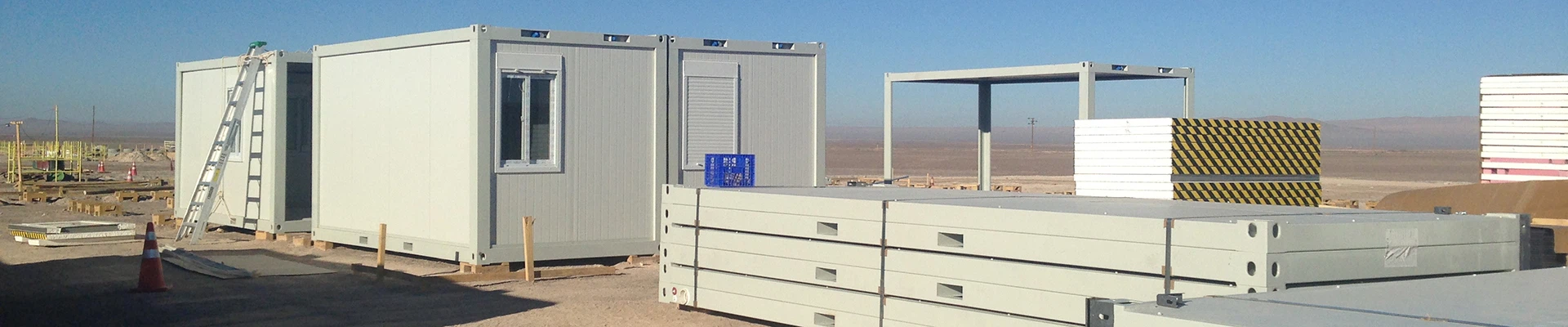


Flat Pack Container Living Homes
Integrated PU foamed roof, 100% water proof and better insulation;
Embedded electrical and plumbing system;
Prefabricated doors and windows;
Product Introduction
The best Flat Pack Container Living Homes from China
Flat Pack Container Living Homes and Traditional Brick Buildings: A Comparative Analysis
Introduction
In recent years, the concept of Flat Pack Container Living Homes has gained increasing popularity across the world. People are adopting this concept as an alternative to traditional brick buildings. The popularity of these homes is due to their affordability, durability, flexibility, and environmental sustainability. Flat Pack Container Living Homes offer an array of advantages over traditional brick buildings, which we will discuss in this article. We will compare the two options, highlighting the benefits and drawbacks of both.
Affordability
Flat Pack Container Living Homes are affordable compared to traditional brick buildings. The initial costs of building a Flat Pack Container Home are relatively low. This is because the cost of containers is cheaper than the cost of bricks and other traditional building materials. Additionally, container homes require less energy to construct; hence, you save money on labour costs. Furthermore, Flat Pack Container Homes can be easily modified or expanded on-site, allowing homeowners to adjust their homes to their evolving needs and budget. Traditional brick buildings, on the other hand, are costly to construct, and their modifications are limited.
Durability
Flat Pack Container Living Homes are durable and robust structures that can withstand harsh weather and environmental conditions. The container's steel frame and walls make them resistant to moisture, hurricanes, and earthquakes and provide greater security than brick buildings. Containers are also not susceptible to pest infestation and do not require significant maintenance, making them a cost-effective alternative to traditional buildings. Brick buildings are also durable, but they are susceptible to water damage, pests, and weathering over time.
Flexibility
Flat Pack Container Living Homes offer greater flexibility than traditional brick buildings. They can be designed and constructed to fit any space, terrain, and style, making them ideal for homeowners who want to add customised features to their homes. Flat Pack Container Living Homes can also be moved effortlessly from one location to another, providing homeowners with unprecedented mobility and flexibility. Traditional brick buildings, however, lack the flexibility of container homes, making them less suitable for homeowners who want to experiment with their living spaces.
Environmental sustainability
Flat Pack Container Living Homes are environmentally sustainable and are considered a more eco-friendly alternative to traditional brick buildings. Containers are made of recycled steel and can be repurposed into new structures, reducing waste, and promoting sustainable living. Additionally, container homes require fewer materials to construct, reducing the environmental impact associated with traditional brick buildings. Finally, the insulation used in container homes can be made from eco-friendly materials, making them energy-efficient and environmentally friendly. Traditional brick buildings, on the other hand, have a significant environmental impact due to the extensive use of non-renewable materials such as cement and bricks.
Conclusion
Flat Pack Container Living Homes offer an array of advantages over traditional brick buildings. They are affordable, durable, flexible, and environmentally sustainable. Container homes are an innovative and practical solution to the challenges of traditional brick buildings, offering homeowners unparalleled mobility, flexibility, and design options. However, it is important to note that there are some drawbacks to container homes, such as the need for proper insulation and the potential for limitation due to the sizes of containers. Nevertheless, container homes remain a viable alternative to traditional brick buildings, and their popularity is set to increase in the coming years.

Advantages
Flat Pack Container Living Homes in Temporary Housing Projects
Introduction
In recent years, the world has witnessed a surge in natural disasters, such as earthquakes, floods, and hurricanes, which have left thousands of people homeless. War and conflicts have also displaced millions of individuals, who require temporary shelter solutions. In such situations, prefabricated housing, such as flat pack container living homes, have emerged as a quick, affordable, and sustainable solution for addressing these humanitarian challenges. This paper explores the use of flat pack container living homes in temporary housing projects.
Benefits of flat pack container living homes
Flat pack container living homes are designed to be flexible, portable, and efficient. They are made from steel and feature standard sizes that can be easily assembled, transported, and dismantled. These homes are cost-effective since they save on construction costs and time. Compared to traditional housing, they are also eco-friendly since they utilize recycled materials and consume less energy. Additionally, since they are modular, they can be customized to meet specific needs and preferences.
Applications of flat pack container living homes in temporary housing projects
Flat pack container living homes have found wide applications in temporary housing projects, including refugee camps, disaster relief, and military housing. In refugee camps, they have proved to be effective in providing adequate shelter for individuals who have been displaced from their homes. They have been used to provide housing for families as well as communal facilities such as healthcare centers, schools, and community centers.
In disaster relief, flat pack container living homes have been used to offer emergency housing to victims of natural disasters such as earthquakes, floods, and hurricanes. They can be quickly deployed to provide shelter, and their modular design allows for customization to meet the specific needs of the disaster. They have also been used in rebuilding efforts since they can be assembled in areas where traditional building materials and techniques are not available.
In military housing, flat pack container living homes have been used to provide temporary housing for soldiers in areas where permanent housing is not feasible. They can be rapidly assembled, disassembled, and transported to different locations, making them ideal for dynamic military operations.
Challenges and solutions
Despite the many benefits of flat pack container living homes, some challenges remain. The homes require proper insulation to provide adequate shelter in extreme weather conditions. They also require proper ventilation to prevent moisture buildup, which can lead to mold growth. Additionally, they may not be suitable for long-term housing since inhabitants may require more space and amenities. Finally, there may be challenges regarding the sourcing and transportation of construction materials.
To address these challenges, insulation and ventilation systems can be installed, and occupants can be advised on the proper way to maintain the homes. The homes can be customized with additional space and amenities to cater to long-term housing requirements. Finally, sourcing and transportation of materials can be planned in advance, and alternative building materials can be used for situations where the standard shipping containers may not be available.
Conclusion
Flat pack container living homes have emerged as a viable alternative to conventional housing in temporary housing applications. They are flexible, portable, and cost-effective. They offer a rapid response to humanitarian disasters and can be customized to meet specific needs. While some challenges exist, solutions can be implemented to improve the functionality and sustainability of the homes. As such, flat pack container living homes are an important tool in achieving sustainable and affordable housing solutions in temporary housing projects.

You Might Also Like


Send Inquiry
