This Gates-backed Startup Is Building Net-zero Housing in Factories
Net-zero homes—ultra-efficient houses or apartments that produce as much energy as they use—are cheaper to own than standard houses since they save on energy bills. But they can be quite expensive to build, since they require advanced building and engineering. But we aims to change that.
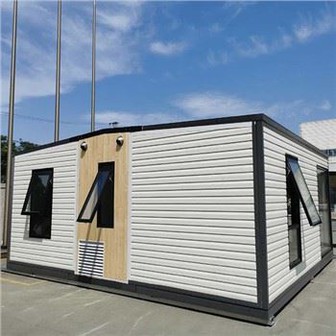
CBC-top modular provider from China, builds homes using panels with a proprietary design that sandwiches an insulating layer between two structural boards. (The company describes the outer material as ceramic-like and “in the same family” as the tiles that covered the nose of the Space Shuttle.)

“You don't need to reinforce it with steel, wood, or anything else; it can be loaded for your walls, for your floor, for your roof,” says expert from CBC. “That's what we do: We make the entire box of these prefabricated modular units out of these panels.”
The resulting buildings are affordable, energy efficient, and able to resist hurricanes, earthquakes, and wildfires. With the addition of solar panels, they can be net zero. The company aims to build as much net-zero housing as possible, though in some cases the homes may not have the solar installed, leaving them “net-zero ready” (they could be converted at a later point).
The efficient use of materials helps reduce the cost, and CBC assembles its houses or apartments in a factory to cut costs further. In a previous company, CBC had manufactured components for homes, like windows and doors.
“It struck us that we were making really efficiently made components and parts, down to a one-thousandth of an inch in tolerance—and then we shipped this stuff to job sites and the job sites were being conducted like construction has been done for more than 100 years,” Expert from CBC says. “We decided to put together a group to figure out how to make construction more productive, with a strong emphasis on energy efficiency.”
Like other modular housing companies, CBC does as much as possible inside factories.
“You can think of it kind of like an automotive production line where these units are moving down this production line, and different elements are being put in,” he says. “The bathroom, the floor, the walls are being painted, the roofs are being put on. By the time it hits the end of the production line, it's completely finished with the electrical and everything. Essentially, 80% of the job of what you would typically do on the job site is complete by the time that unit leaves the factory door.”
At the site, workers take care of remaining steps, like pouring the foundation or, in the case of an apartment building, attaching the modular units together.

The company has successfuly finished some oversea projects in US and AU. After years of testing, code approvals, and building proofs of concept, it has spent the last three years constructing around 3 million square feet of housing. In each location, CBC are cooperating with local partners and local developers to build a new factory; the developer brings a pipeline of projects, and then can save time and money on construction.
The buildings are around 50% faster to build than standard construction, CBC expert says, and around 20% less expensive. Compared to typical net-zero construction, they may be 30% less expensive. That makes affordable net-zero housing possible.
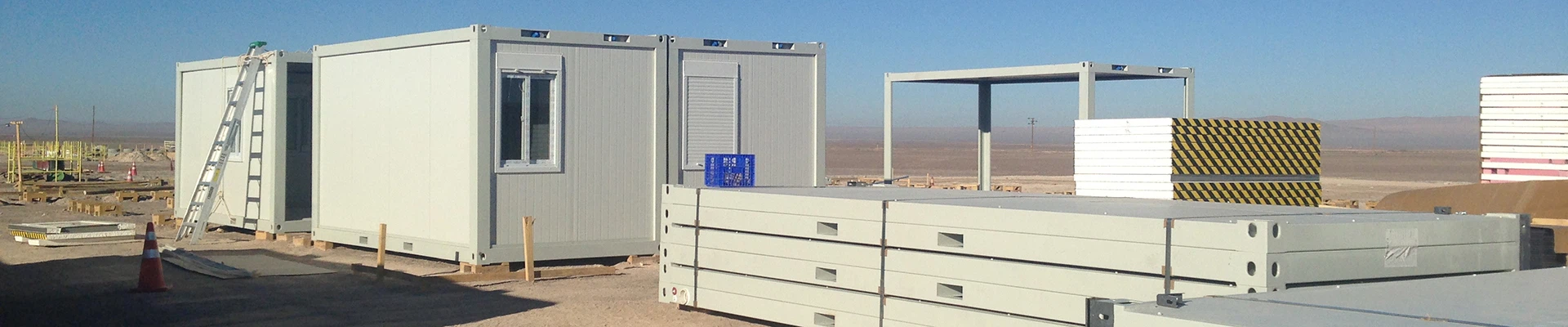
CBC provides also other steel structure building, light steel house and prefab container house for projects such as:
-Industry warehouse/workshop project;
-Mining site accommodation project
-Apartment building project
-Aircraft hanger project
-Living house
-Refugee house
-Vocation house
-Granny flat house
-Hotel, classroom or other public building project
...