Steel Structures Have Been At The Forefront Of Building Construction And Development
Steel structures have been at the forefront of building construction and development for several decades now. It has been widely acknowledged by experts in the field of civil engineering and architecture that steel structures offer multiple advantages over traditional building materials like reinforced concrete, timber, and masonry. The use of steel structures is expected to rise significantly in the coming years, as the building industry aims to adopt more sustainable and efficient construction practices.
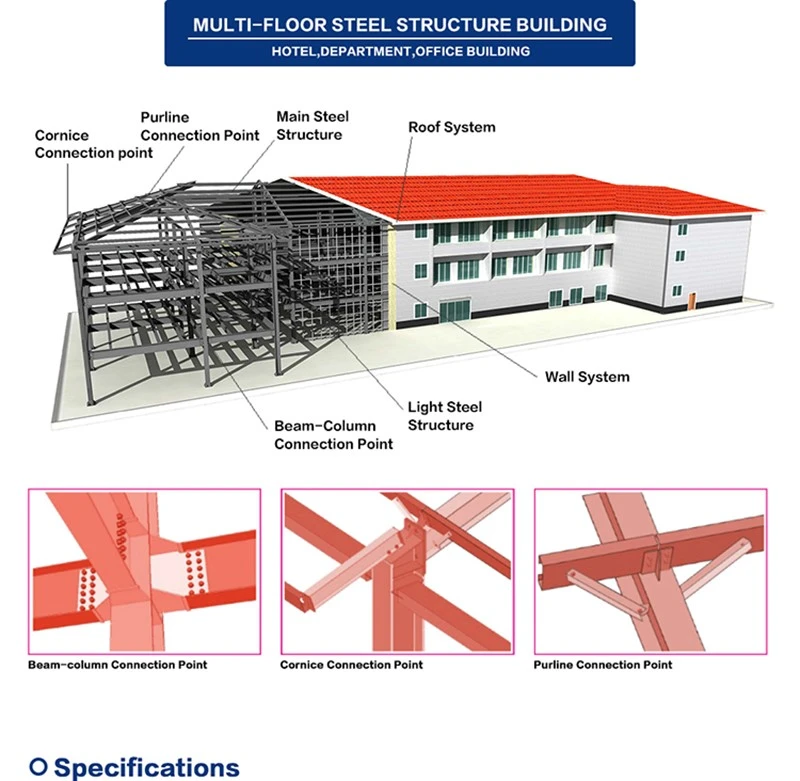
One of the primary benefits of steel structures is their superior strength-to-weight ratio. A steel beam can support a much larger load than a beam made of wood or concrete for the same weight. As a result, steel structures can be built taller, wider, and with larger open spaces, which is increasingly becoming a popular design trend. By using fewer, larger steel columns and beams, modern architects can create aesthetically pleasing buildings that prioritize natural light and open spaces.
Another significant advantage of steel structures is their resistance to natural forces, such as earthquakes, hurricanes, and floods. In areas that experience regular seismic activity, steel structures are the preferred choice of many builders and homeowners. Steel can flex, bend, and absorb seismic energy, while its connection details can distribute horizontal forces, thereby reducing the risk of damage or collapse. Steel's durability and resistance to corrosion also make it resistant to environmental factors such as moisture and pests, which can harm wooden or reinforced concrete structures.
Steel structures are also more economical and time-efficient than traditional building materials such as concrete and timber. Steel can be fabricated offsite, significantly reducing the time required for actual construction; this means that once the foundation is built, the structure can quickly go up. Steel also offers more flexibility in terms of building design and construction, which can reduce the overall cost of construction. Additionally, steel's recyclability and potential for reuse make it a more sustainable option for future building and construction.
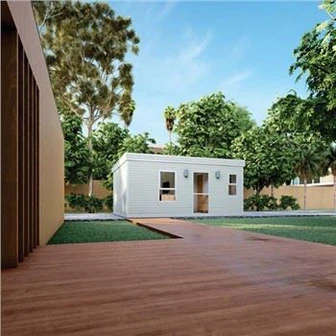
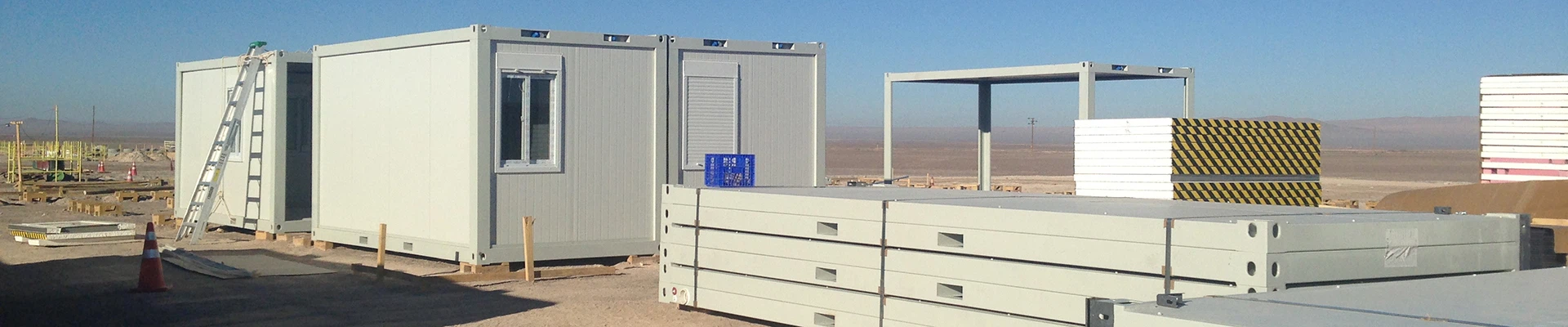
The use of steel structures in innovative ways can also help alleviate the ongoing housing shortage in many parts of the world. For example, modular housing comprising prefabricated steel panels can be quickly erected to house newly displaced or homeless people during disasters. Similarly, given steel's durability and resistance to environmental factors, steel-framed buildings can be employed in the construction of schools, hospitals, and other public facilities, particularly in disaster-prone areas.
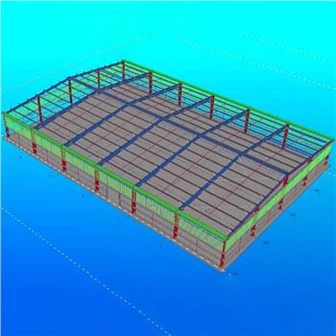
Furthermore, steel structures are becoming popular within the commercial building sector. Large sporting arenas, shopping centers, and multi-purpose offices can benefit from steel structures as they allow for greater open spans, fewer columns, and a spacious feel. Steel structures are also ideal for factories, warehouses, and storage facilities.
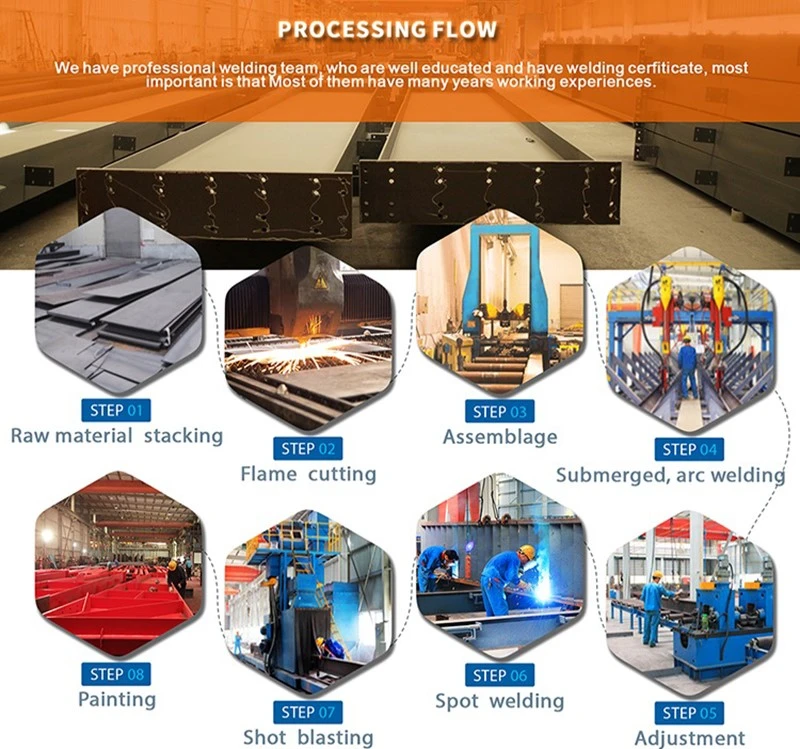
In conclusion, the widespread use of steel structures in construction has been a long time coming. Steel provides a modern and reliable means to construct buildings and structures far superior to traditional methods. The versatility of steel structures allows architects and engineers the freedom to design and implement buildings that are both functional and aesthetically pleasing. With the arrival of more sophisticated digital technologies and automated manufacturing methods, steel structures will continue to grow in demand as an efficient and effective way to create buildings that meet the ever-evolving demands of the modern world.